Explore deals, travel guides and things to do in Ankara
What to know before visiting Ankara
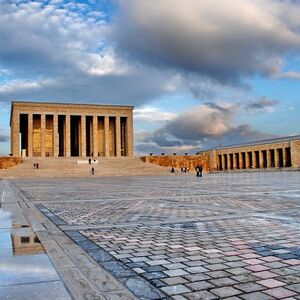
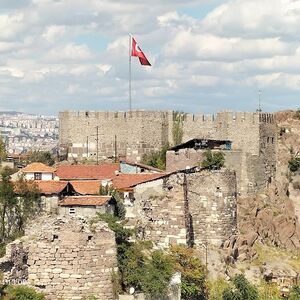
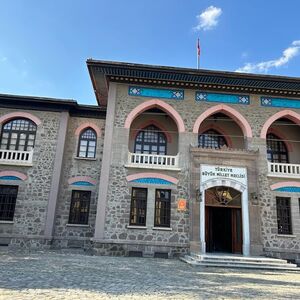
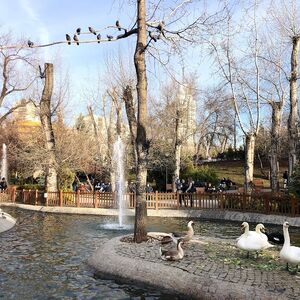
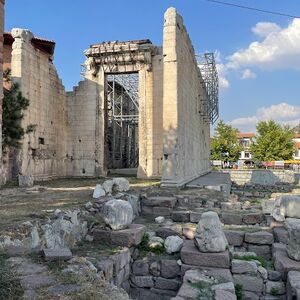
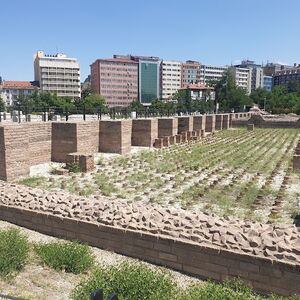
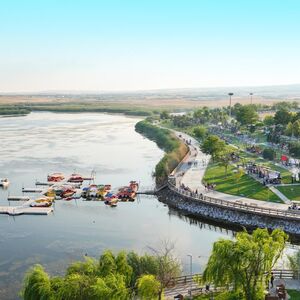
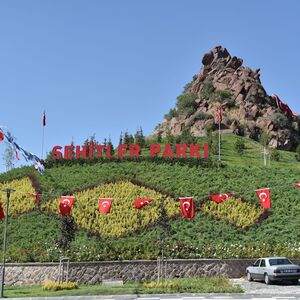
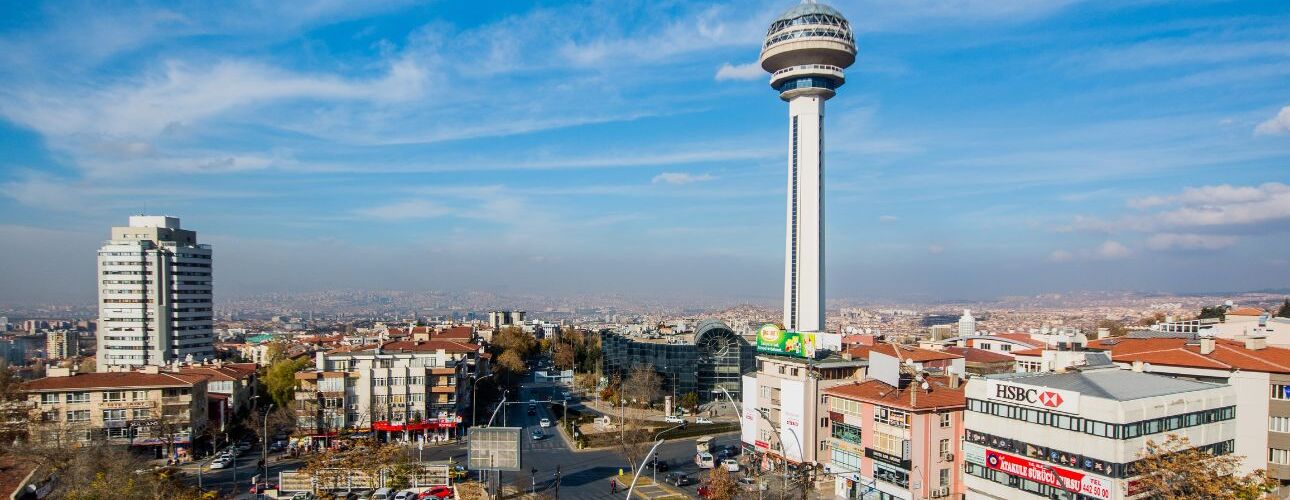
Ankara historically known as Ancyra and Angora, is the capital of Turkey. Located in the central part of Anatolia, the city has a population of 5.1 million in its urban center and 5.7 million in Ankara Province, making it Turkey's second-largest city after Istanbul. Serving as the capital of the ancient Celtic state of Galatia (280–64 BC), and later of the Roman province with the same name (25 BC–7th century), the city is very old, with various Hattian, Hittite, Lydian, Phrygian, Galatian, Greek, Persian, Roman, Byzantine, and Ottoman archeological sites. The Ottomans made the city the capital first of the Anatolia Eyalet (1393 – late 15th century) and then the Angora Eyalet (1827–1864) and the Angora Vilayet (1867–1922). The historical center of Ankara is a rocky hill rising 150 m (500 ft) over the left bank of the Ankara River, a tributary of the Sakarya River. The hill remains crowned by the ruins of Ankara Castle. Although few of its outworks have survived, there are well-preserved examples of Roman and Ottoman architecture throughout the city, the most remarkable being the 20 BC Temple of Augustus and Rome that boasts the Monumentum Ancyranum, the inscription recording the Res Gestae Divi Augusticode: lat promoted to code: la .On 23 April 1920, the Grand National Assembly of Turkey was established in Ankara, which became the headquarters of the Turkish National Movement during the Turkish War of Independence. Ankara became the new Turkish capital upon the establishment of the Republic on 29 October 1923, succeeding in this role as the former Turkish capital Istanbul following the fall of the Ottoman Empire. The government is a prominent employer, but Ankara is also an important commercial and industrial city located at the center of Turkey's road and railway networks. The city gave its name to the Angora wool shorn from Angora rabbits, the long-haired Angora goat (the source of mohair), and the Angora cat. The area is also known for its pears, honey and Muscat grapes. Although situated in one of the driest regions of Turkey and surrounded mostly by steppe vegetation (except for the forested areas on the southern periphery), Ankara can be considered a green city in terms of green areas per inhabitant, at 72 square meters (775 square feet) per head. -Wikipedia
We use necessary cookies to make this site work. With your permission we would also use analytics cookies to understand how the site is used, and marketing cookies to measure our campaigns. You can change or withdraw your choice at any time. Privacy Policy
Cookie settings
Choose which cookies we may use. Necessary cookies cannot be switched off because the site does not work without them.
Sign-in, session, security and your cookie choice. No tracking.
Helps us see which pages and treatments people look for, so we can improve them. Google Analytics.
Lets us measure our advertising and show you more relevant campaigns.