





































Explore deals, travel guides and things to do in Coimbra
What to know before visiting Coimbra
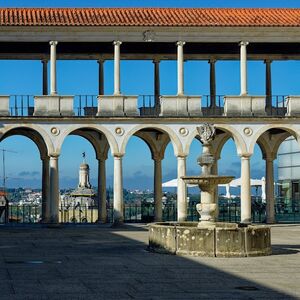
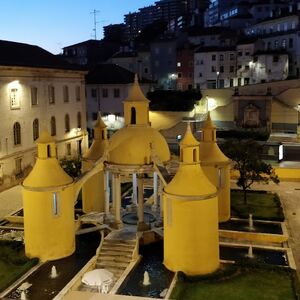
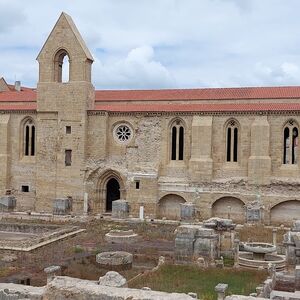
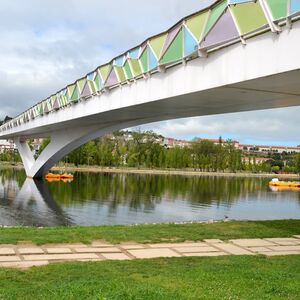
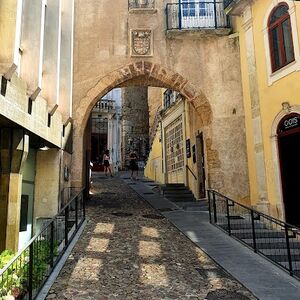
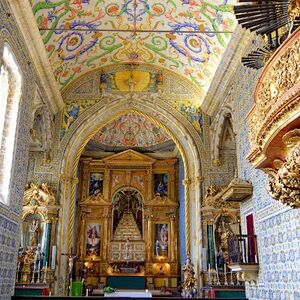
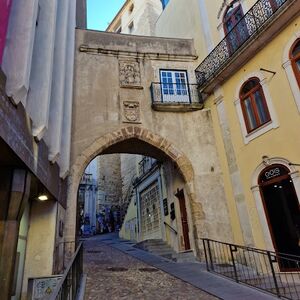
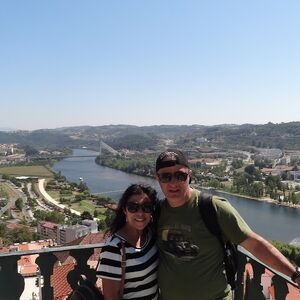
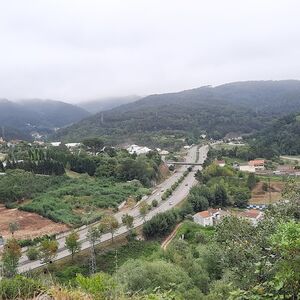
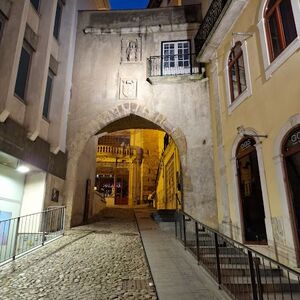
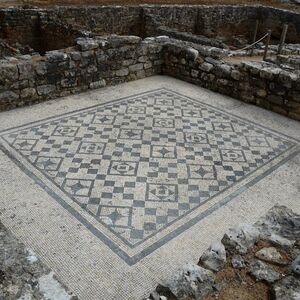
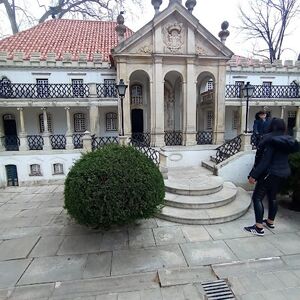
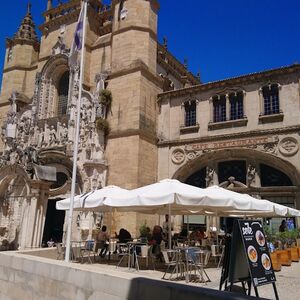
Coimbra is a city and a municipality in Portugal. The population of the municipality at the 2011 census was 143,397, in an area of 319.40 square kilometres (123.3 sq mi). The fourth-largest agglomerated urban area in Portugal after Lisbon, Porto, and Braga, it is the largest city of the district of Coimbra and the Centro Region. About 460,000 people live in the Região de Coimbra, comprising 19 municipalities and extending into an area of 4,336 square kilometres (1,674 sq mi). Among the many archaeological structures dating back to the Roman era, when Coimbra was the settlement of Aeminium, are its well-preserved aqueduct and cryptoporticus. Similarly, buildings from the period when Coimbra was the capital of Portugal (from 1131 to 1255) still remain. During the late Middle Ages, with its decline as the political centre of the Kingdom of Portugal, Coimbra began to evolve into a major cultural centre. This was in large part helped by the establishment of the first Portuguese university in 1290 in Lisbon and its relocation to Coimbra in 1308, making it the oldest academic institution in the Portuguese-speaking world. Apart from attracting many European and international students, the university is visited by many tourists for its monuments and history. Its historical buildings were classified as a World Heritage site by UNESCO in 2013: "Coimbra offers an outstanding example of an integrated university city with a specific urban typology as well as its own ceremonial and cultural traditions that have been kept alive through the ages." -Wikipedia
We use necessary cookies to make this site work. With your permission we would also use analytics cookies to understand how the site is used, and marketing cookies to measure our campaigns. You can change or withdraw your choice at any time. Privacy Policy
Cookie settings
Choose which cookies we may use. Necessary cookies cannot be switched off because the site does not work without them.
Sign-in, session, security and your cookie choice. No tracking.
Helps us see which pages and treatments people look for, so we can improve them. Google Analytics.
Lets us measure our advertising and show you more relevant campaigns.