Explore deals, travel guides and things to do in Valletta
What to know before visiting Valletta
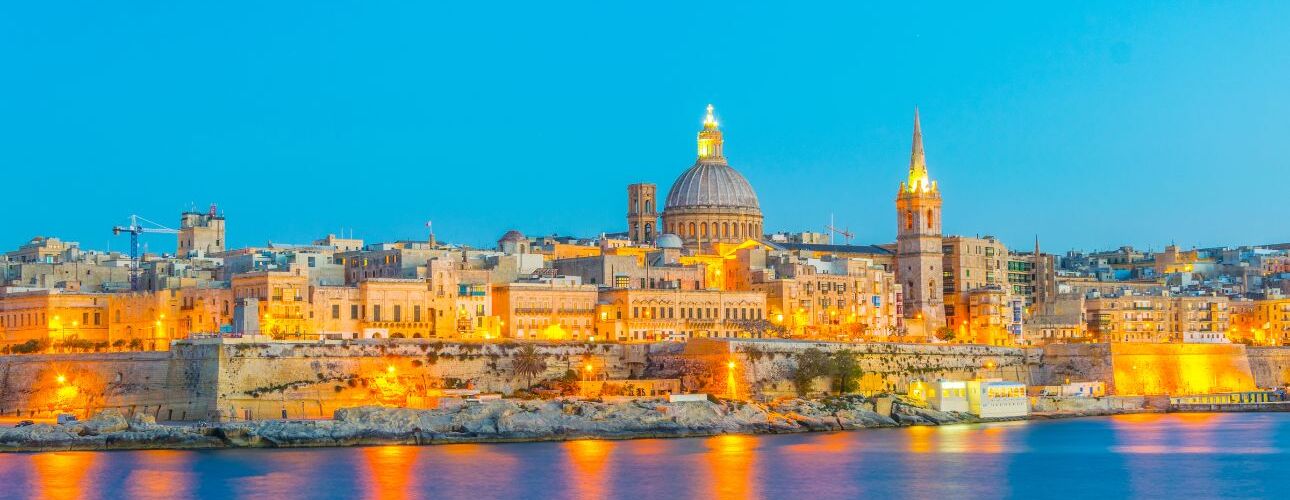
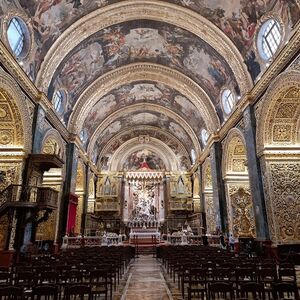
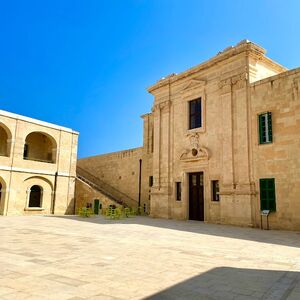
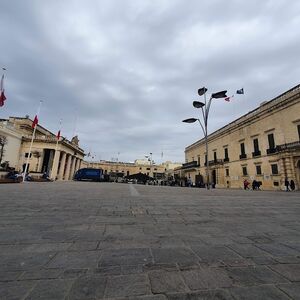
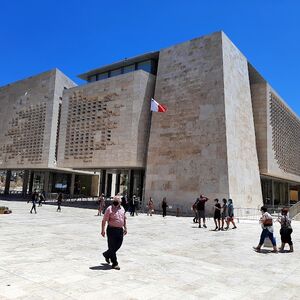
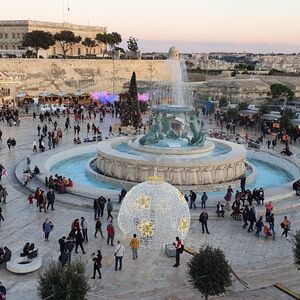
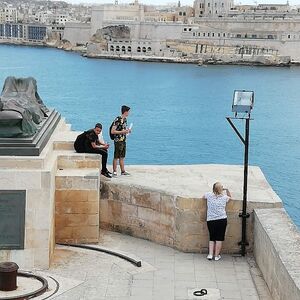
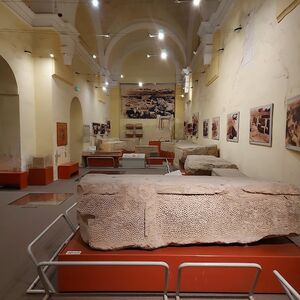
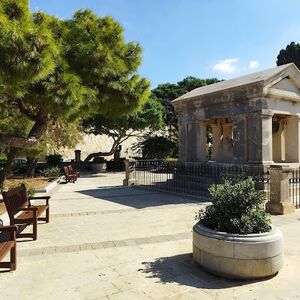
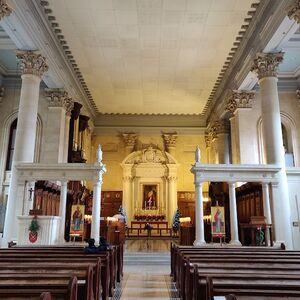
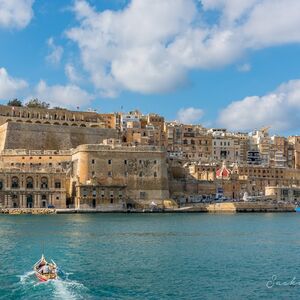
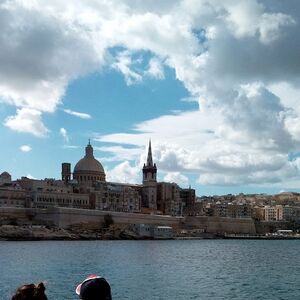
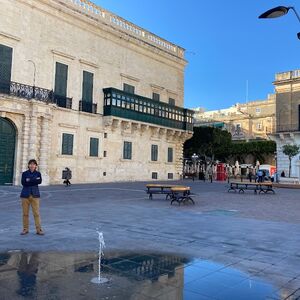
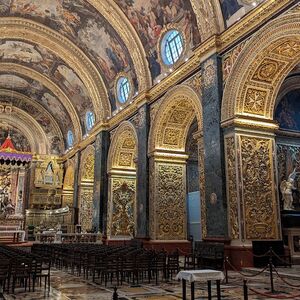
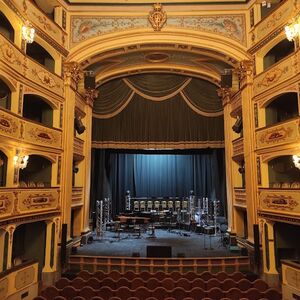
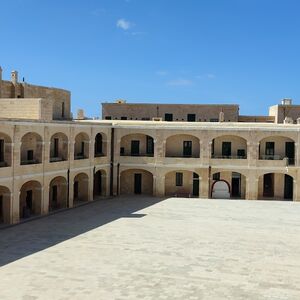
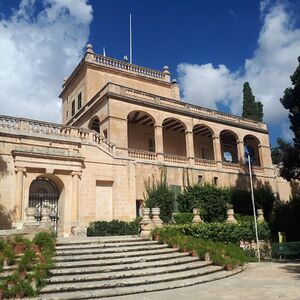
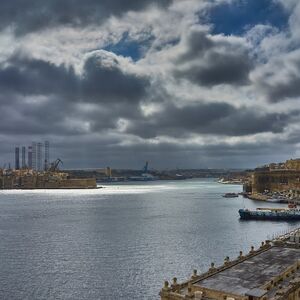
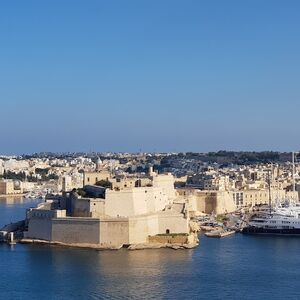
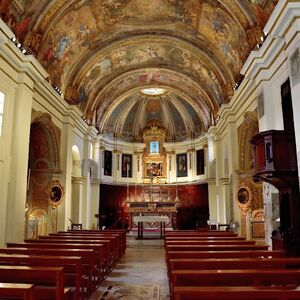
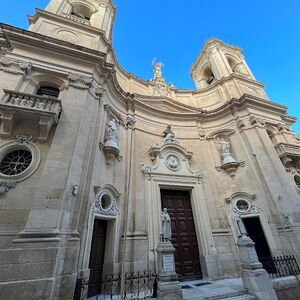
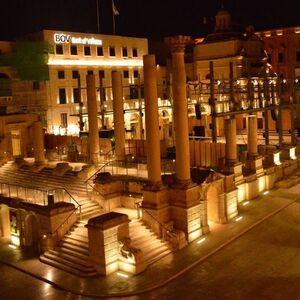
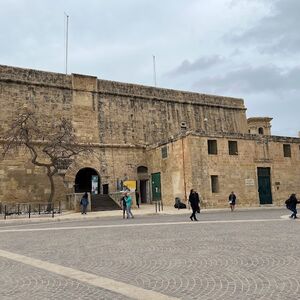
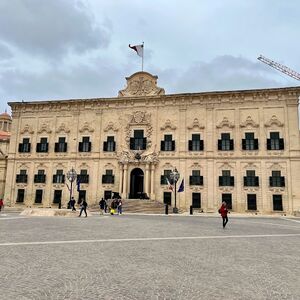
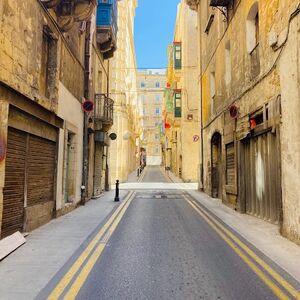
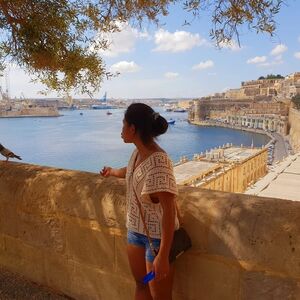
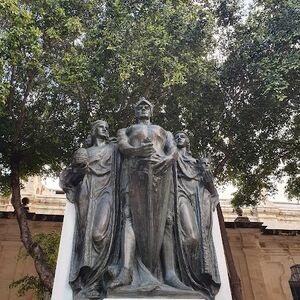
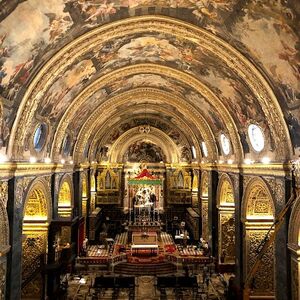
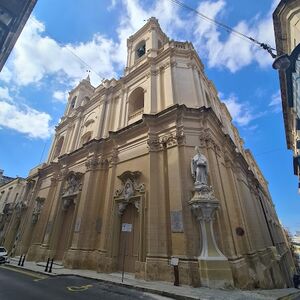
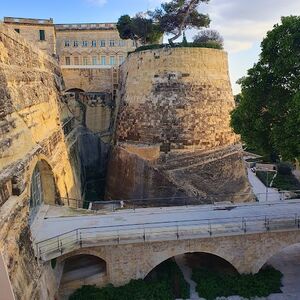
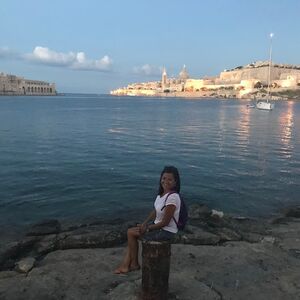
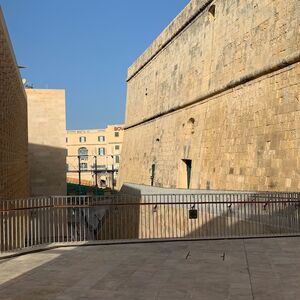
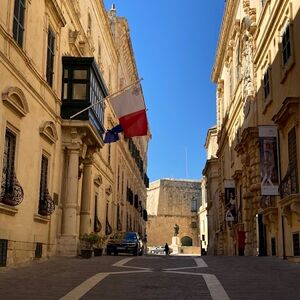
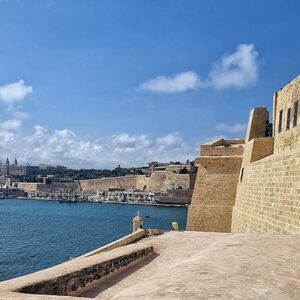
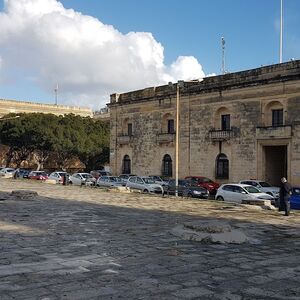
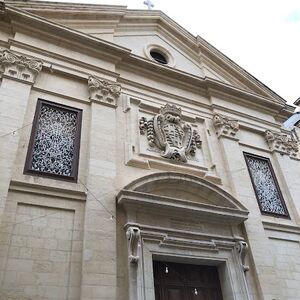
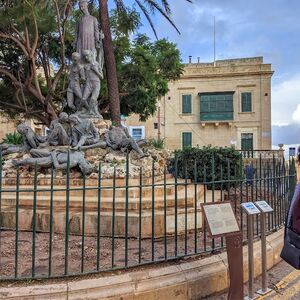
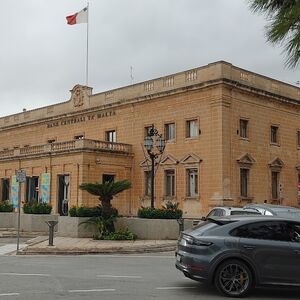
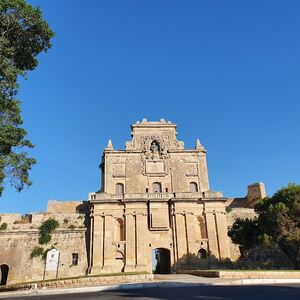
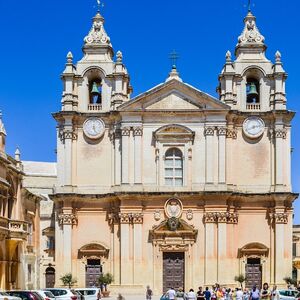
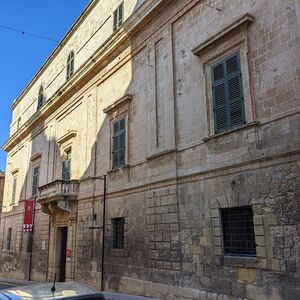
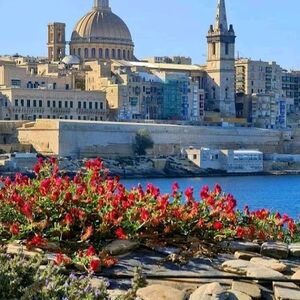
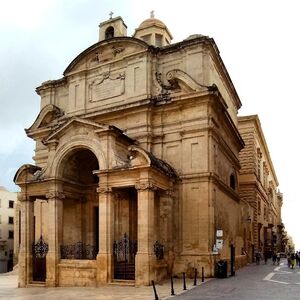
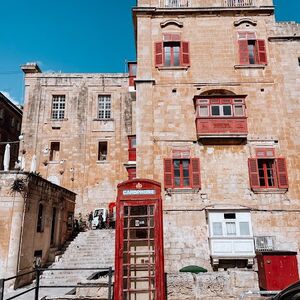
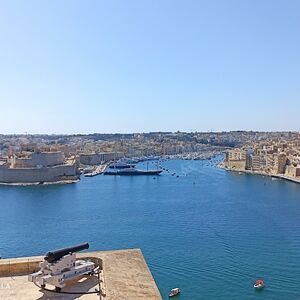
Valletta is an administrative unit and the capital of Malta. Located on the main island, between Marsamxett Harbour to the west and the Grand Harbour to the east, its population within administrative limits in 2014 was 6,444. According to the data from 2020 by Eurostat, the Functional Urban Area and metropolitan region covered the whole island and has a population of 480,134. Valletta is the southernmost capital of Europe, and at just 0.61 square kilometres (0.24 sq mi), it is the European Union's smallest capital city.Valletta's 16th-century buildings were constructed by the Knights Hospitaller. The city was named after Jean Parisot de Valette, who succeeded in defending the island from an Ottoman invasion during the Great Siege of Malta. The city is Baroque in character, with elements of Mannerist, Neo-Classical and Modern architecture, though the Second World War left major scars on the city, particularly the destruction of the Royal Opera House. The city was officially recognised as a World Heritage Site by UNESCO in 1980. The city has 320 monuments, all within an area of 0.55 square kilometres (0.21 sq mi), making it one of the most concentrated historic areas in the world. Sometimes called an "open-air museum", Valletta was chosen as the European Capital of Culture in 2018. Valletta is also the sunniest city in Europe.The city is noted for its fortifications, consisting of bastions, curtains and cavaliers, along with the beauty of its Baroque palaces, gardens and churches. -Wikipedia
We use necessary cookies to make this site work. With your permission we would also use analytics cookies to understand how the site is used, and marketing cookies to measure our campaigns. You can change or withdraw your choice at any time. Privacy Policy
Cookie settings
Choose which cookies we may use. Necessary cookies cannot be switched off because the site does not work without them.
Sign-in, session, security and your cookie choice. No tracking.
Helps us see which pages and treatments people look for, so we can improve them. Google Analytics.
Lets us measure our advertising and show you more relevant campaigns.