Explore deals, travel guides and things to do in Alexandria
What to know before visiting Alexandria
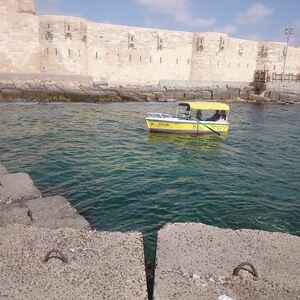
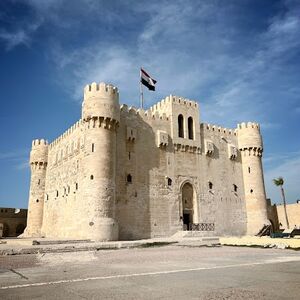
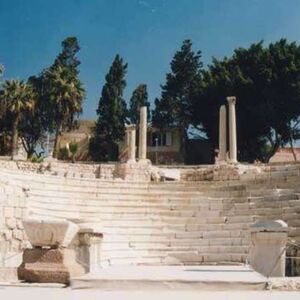
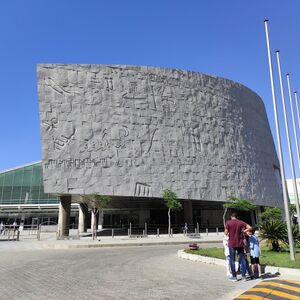
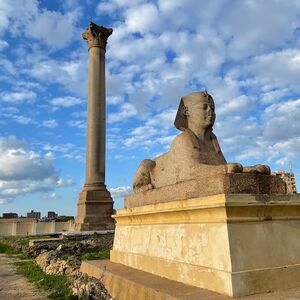
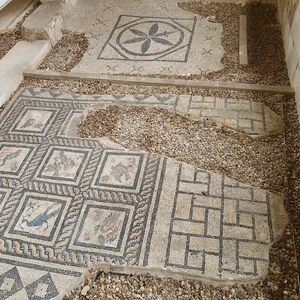
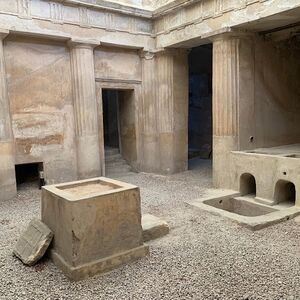
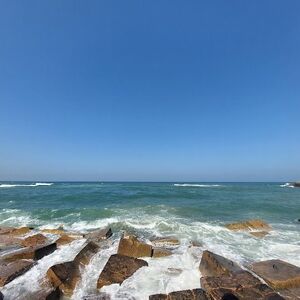
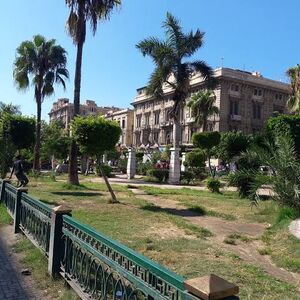
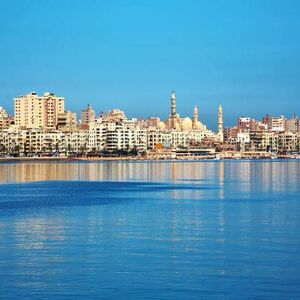
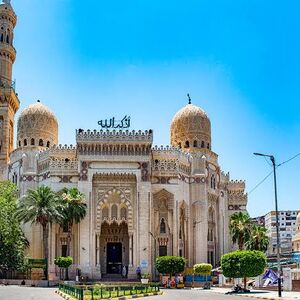
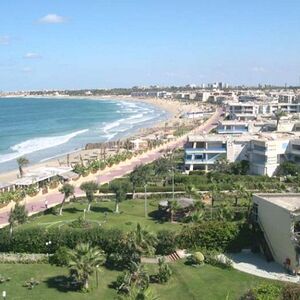
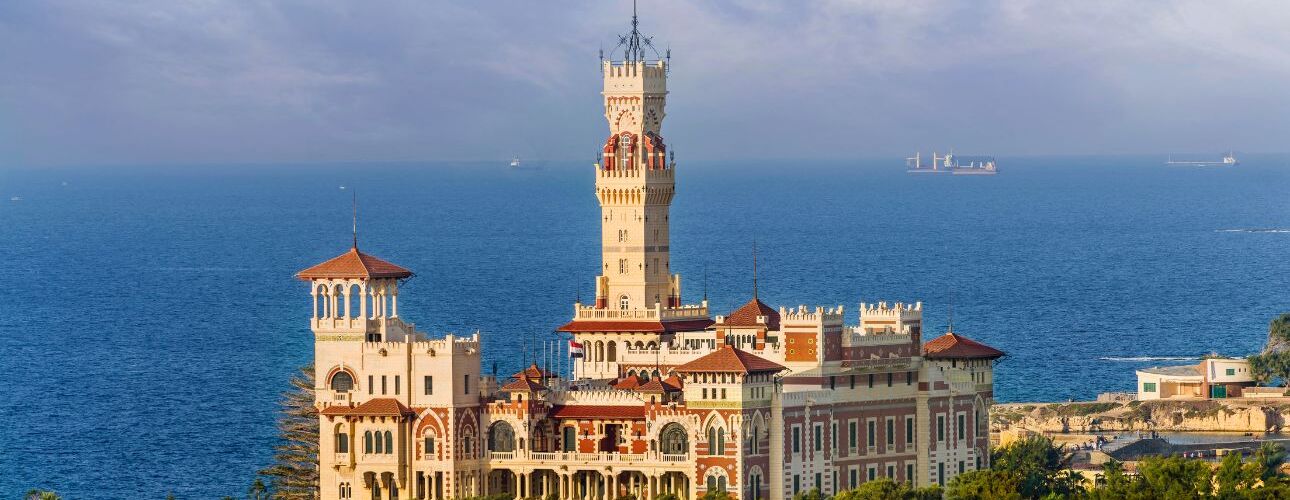
Alexandria is the second largest city in Egypt, and the largest city on the Mediterranean coast. Founded in c. 331 BC by Alexander the Great, Alexandria grew rapidly and became a major centre of Hellenic civilisation, eventually replacing Memphis, in present-day Greater Cairo, as Egypt's capital. During the Hellenistic period, it was home to the Lighthouse of Alexandria, which ranked among the Seven Wonders of the Ancient World, as well as the storied Library of Alexandria. Today, the library is reincarnated in the disc-shaped, ultramodern Bibliotheca Alexandrina. Its 15th-century seafront Qaitbay Citadel is now a museum. Called the "Bride of the Mediterranean" by locals, Alexandria is a popular tourist destination and an important industrial centre due to its natural gas and oil pipelines from Suez. The city extends about 40 km (25 mi) along the northern coast of Egypt, and is the largest city on the Mediterranean, the second-largest in Egypt (after Cairo), the fourth-largest city in the Arab world, the ninth-largest city in Africa, and the ninth-largest urban area in Africa. The city was founded originally in the vicinity of an Egyptian settlement named Rhacotis (that became the Egyptian quarter of the city). It retained this status for almost a millennium, through the period of Roman and Eastern Roman rule until the Muslim conquest of Egypt in 641 AD, when a new capital was founded at Fustat (later absorbed into Cairo). Alexandria was best known for the Lighthouse of Alexandria (Pharos), one of the Seven Wonders of the Ancient World; its Great Library, the largest in the ancient world; and the Necropolis, one of the Seven Wonders of the Middle Ages. Alexandria was the intellectual and cultural centre of the ancient Mediterranean for much of the Hellenistic age and late antiquity. It was at one time the largest city in the ancient world before being eventually overtaken by Rome. The city was a major centre of early Christianity and was the centre of the Patriarchate of Alexandria, which was one of the major centres of Christianity in the Eastern Roman Empire. In the modern world, the Coptic Orthodox Church and the Greek Orthodox Church of Alexandria both lay claim to this ancient heritage. By 641, the city had already been largely plundered and lost its significance before re-emerging in the modern era. From the late 18th century, Alexandria became a major centre of the international shipping industry and one of the most important trading centres in the world, both because it profited from the easy overland connection between the Mediterranean and Red Seas and the lucrative trade in Egyptian cotton. -Wikipedia
We use necessary cookies to make this site work. With your permission we would also use analytics cookies to understand how the site is used, and marketing cookies to measure our campaigns. You can change or withdraw your choice at any time. Privacy Policy
Cookie settings
Choose which cookies we may use. Necessary cookies cannot be switched off because the site does not work without them.
Sign-in, session, security and your cookie choice. No tracking.
Helps us see which pages and treatments people look for, so we can improve them. Google Analytics.
Lets us measure our advertising and show you more relevant campaigns.