Explore deals, travel guides and things to do in Manaus
What to know before visiting Manaus
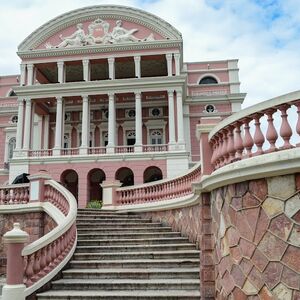
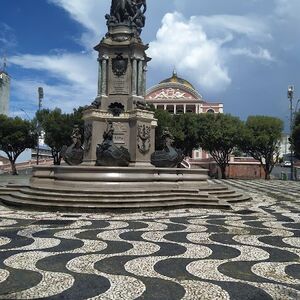
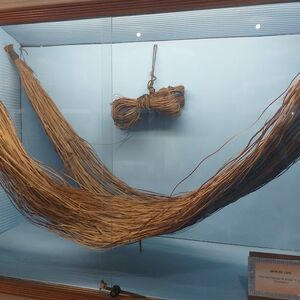
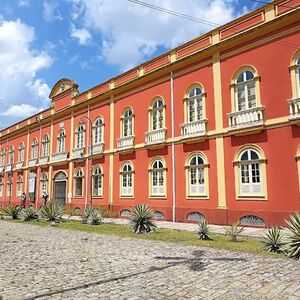
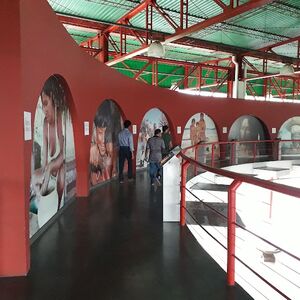
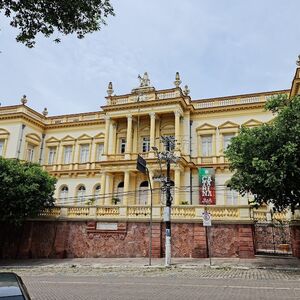
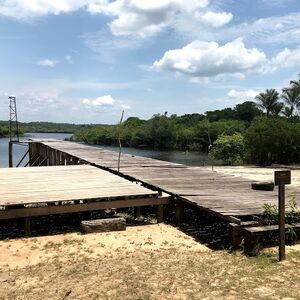
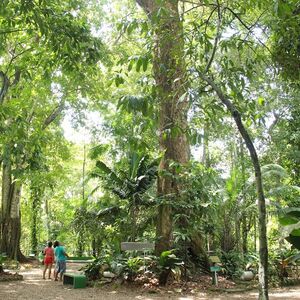
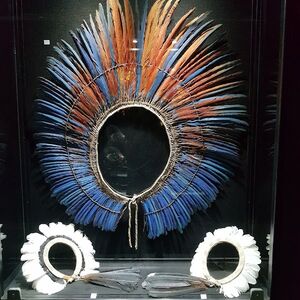
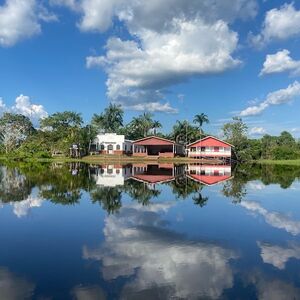
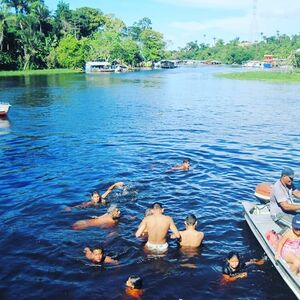
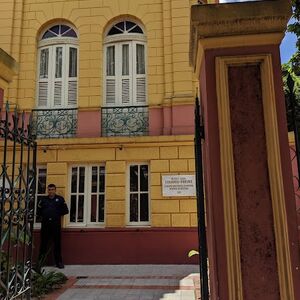
Manaus is the capital and largest city of the Brazilian state of Amazonas. It is the seventh-largest city in Brazil, with an estimated 2020 population of 2,219,580 distributed over a land area of about 11,401 km2 (4,402 sq mi). Located at the east center of the state, the city is the center of the Manaus metropolitan area and the largest metropolitan area in the North Region of Brazil by urban landmass. It is situated near the confluence of the Negro and Solimões rivers. It is one of the only cities in the Amazon Rainforest with a population over 1 million people, alongside Belém. Manaus is located in the center of the world's largest rainforest, and home to the National Institute of Amazonian Research; being the most important center for scientific studies in the Amazon region and for international sustainability issues. It was known at the beginning of the century as Heart of the Amazon and City of the Forest. Currently, its main economic engine is the Industrial Park of Manaus, a Free Economic Zone. The city has a free port and an international airport. Its manufactures include electronics, chemical products, and soap; there are distilling and ship construction industries. Manaus also exports Brazil nuts, rubber, jute, and rosewood oil. It has a cathedral, opera house, zoological and botanical gardens, an ecopark, and regional and native peoples museums. The Solimões and Negro rivers meet just east of Manaus and join to form the Amazon River (using the Brazilian definition of the river; elsewhere, Solimões is considered the upper part of the Amazon). Rubber made it the richest city in South America during the late 1800s. Rubber also helped Manaus earn its nickname, the Paris of the Tropics. Many wealthy European families settled in Manaus and brought their love for sophisticated European art, architecture, and culture with them. Manaus was one of the twelve Brazilian host cities of the 2014 World Cup, as well as one of the five subsections of the 2016 Summer Olympics. -Wikipedia
We use necessary cookies to make this site work. With your permission we would also use analytics cookies to understand how the site is used, and marketing cookies to measure our campaigns. You can change or withdraw your choice at any time. Privacy Policy
Cookie settings
Choose which cookies we may use. Necessary cookies cannot be switched off because the site does not work without them.
Sign-in, session, security and your cookie choice. No tracking.
Helps us see which pages and treatments people look for, so we can improve them. Google Analytics.
Lets us measure our advertising and show you more relevant campaigns.